Appreciating the Rain: Water as a Garden Blessing
The sky over our little valley has been a bruised, heavy purple since dawn, the kind of light that used to make me reach for...
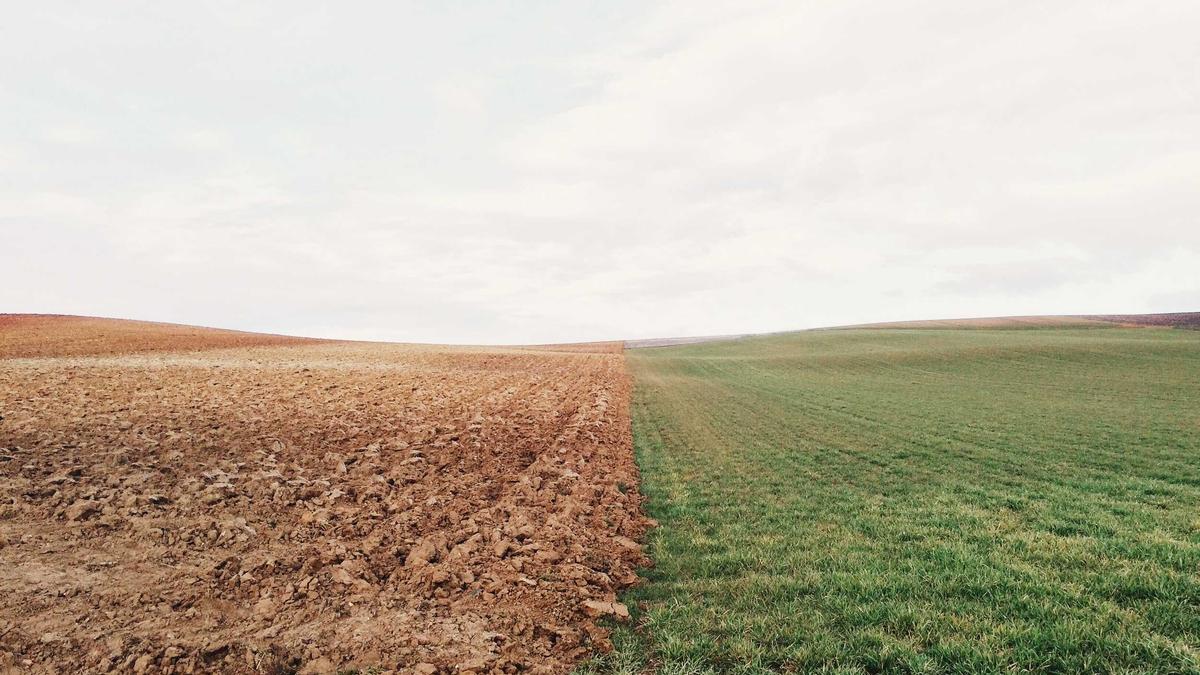
The sky over our little valley has been a bruised, heavy purple since dawn, the kind of light that used to make me reach for my old Nikon D850 and a 35mm prime lens, searching for the way a single droplet of water clings to the serrated edge of a Lady’s Mantle leaf. From the kitchen window, I watch the first fat drops kick up dust in the driveway before settling into a rhythmic drumming against the tin roof of the woodshed. It is a sound that invites a specific kind of exhale—a release of the invisible tension that builds during a dry spell when the garden looks a little too thirsty and the creek bed begins to show its grey, stony ribs. Today, the work is being done for me. There is a profound humility in realizing that, despite all my weeding, mulching, and careful planning, the most vital element of this homestead is a gift I cannot manufacture. I pour a second cup of tea, the steam curling against the cool glass of the window, and I simply watch the world turn green again.
The Photographer’s Eye: Light and Liquid
In my previous life behind the camera, I dreaded the “flat” light of a rainy day for portraits, yet I adored it for the garden. Rain creates a saturation that no editing software can truly replicate. When the dust is washed from the leaves of the Heuchera and the deep burgundy of the ‘Black Cherry’ tomatoes, the colors deepen into something soulful. There is a specific translucence to a garden in the rain; the light is diffused, wrapping around the stems of the foxgloves and the heavy heads of the ‘Annabelle’ hydrangeas without the harsh shadows of the midday sun.
I find myself looking at the garden through a metaphorical viewfinder even now. I notice the way the water pools in the center of the Alchemilla mollis, forming a perfect, silver mercury-like sphere. It’s a lesson in texture and resilience. Some plants, like the waxy leaves of the kale, let the water slide right off, directing it straight to their thirsty roots. Others, like the soft, fuzzy lamb’s ear, hold onto the moisture until they look like they’ve been dipped in diamonds. To see the garden this way is to appreciate the rain not as an interruption to our chores, but as the master artist of the landscape, refining the edges and deepening the tones of our living canvas.
Designing for the Deluge: A Landscape of Softness
Over the years, our approach to the homestead has shifted from trying to “drain” the water away to trying to “invite” it to stay. In the early days, we saw a heavy downpour as a problem to be managed—something to be shunted into pipes and sent elsewhere. Now, we practice the art of the slow soak. We’ve carved out small, gentle depressions—rain gardens, really—where the overflow from the roof can settle. Here, we’ve tucked in moisture-loving friends like Siberian Iris, Elderberry bushes, and Joe Pye Weed.
These areas act as a sponge, allowing the earth to drink deeply at its own pace rather than being overwhelmed by a sudden rush. We’ve replaced some of our hard-packed paths with woodchips and clover, creating a “soft” landscape that breathes. When the rain falls, it doesn’t scour the soil or create muddy gashes; it sinks in, filtered by the roots and the mulch, replenishing the deep reserves that our well relies on. It’s a slow-living philosophy applied to the very earth: instead of rushing the water through, we give it a place to rest, to linger, and eventually, to nourish.
The Wisdom of the Rain Barrel: Harvesting Grace
There is something deeply satisfying about the hollow thrum of a rain barrel as it begins to fill. We have three scattered around the house and the barn, nestled under the downspouts like wooden sentinels. To me, these barrels are more than just utility; they are a storehouse of seasonal grace. Rainwater is “living” water—it lacks the chlorine and salts of treated tap water and is naturally slightly acidic, which our blueberries and azaleas find absolutely delicious.
I’ve noticed that when I hand-water the potted geraniums on the porch with a watering can filled from the rain barrel, they respond with a vigor that the garden hose can’t quite trigger. It’s as if the plants recognize the sky’s own recipe. Collecting this water also keeps me in tune with the sky’s ledger. On a rainy afternoon like this, I know that for every inch that falls on our roof, we are catching hundreds of gallons that will see us through the humid stretches of August. It turns a weather event into a tangible resource, a quiet accumulation of abundance that teaches us the value of patience and preparation without a hint of urgency.
Rain-Day Rituals in the Kitchen
When the garden is being watered from above, the homesteading life moves indoors, and the pace slows even further. The “outdoor list”—mowing, weeding the gravel, fixing the fence—is crossed out by the clouds, replaced by the “indoor rhythms” that often get neglected in the sun. Today, the kitchen is the heart of the house. I pulled a jar of dried calendula petals from the pantry this morning to start an oil infusion, their orange faces a bright contrast to the grey light outside.
The Sourdough Rhythm
The humidity of a rainy day is a secret ingredient for bread. My sourdough starter, whom I’ve nicknamed “Arthur” for his stubborn longevity, seems to love the damp air. I spent the morning folding a dough enriched with roasted rosemary from the herb garden and a generous pinch of flaky sea salt. There is no rush to the rise today. The dough sits in its glass bowl, a smooth, pale orb, while I listen to the rain and the occasional crackle of the woodstove.
A Pot of Foraged Tea
Later, I’ll brew a pot of what the kids call “Sarah’s Rainy Day Blend”—dried nettle, a few rosehips saved from last autumn, and a slice of fresh ginger. We sit at the farmhouse table, the wood smoothed by generations of elbows, and we talk or read or simply watch the birds huddle in the thicket of the mock orange bush. These are the hours where the “homestead” becomes a “home.” The rain grants us permission to be still, to nourish ourselves as the earth is being nourished, and to find the poetry in a slow-simmering soup.
The Underground Conversation: Soil and Soul
We often talk about what rain does for the plants, but I like to think about what it does for the soil—the vast, invisible city beneath our boots. A steady rain is a catalyst for a thousand tiny conversations. It wakes up the mycelium, those silver threads of fungi that weave through the garden beds, connecting the roots of the oak tree to the smallest sprig of thyme. It brings the earthworms to the surface, those tireless tillers of our heavy clay.
When the soil is properly hydrated, it breathes. There is that wonderful scent—petrichor—the earthy perfume released when rain hits dry ground. To me, that smell is the scent of a promise kept. It tells me that the microbiology of our little patch of earth is thriving. A garden that is only ever “drip-irrigated” lacks this deep, structural soaking. The rain reaches the places I can’t, recharging the subsoil and ensuring that the roots of my heritage apple trees grow deep and strong. It’s a reminder that the most important work on a homestead is often the work we can’t see, happening in the dark, quiet spaces under the mulch.
The Quiet After
As the afternoon wanes, the heavy downpour transitions into a fine, misty veil. The garden is dripping, heavy with the weight of its blessing. I step out onto the porch, my boots clicking on the wet stones, and the air is impossibly clean, as if the world has been through a gentle laundry cycle. The lupines are bowed over, their purple spikes heavy with water, but I know they will stand tall again by morning, refreshed and vibrant.
In these moments, I am reminded that water is not just a commodity or a chore; it is the lifeblood of our family’s story. By learning to appreciate the rain—by designing our land to catch it, our barrels to hold it, and our hearts to welcome the slow pace it demands—we are weaving ourselves into the fabric of the seasons. The rain is a reminder that we are part of a much larger, much older rhythm, one that requires us to occasionally put down our tools, pick up a cup of tea, and simply give thanks for the clouds.
The garden is full, the barrels are overflowing, and my heart is as quiet as the mist settling over the creek. I’ll go in now to check on the bread, grateful for a day where the sky did the heavy lifting and left me with nothing to do but reflect.